


In many homes, the scene repeats itself: morning comes and, suddenly, your child doesn’t want to go to school. He says his stomach hurts, that he’s tired, or simply that “he doesn’t feel like it.” You insist, you ask questions, you try to understand… but there’s no clear explanation.
And then the doubt appears: could it be something more?
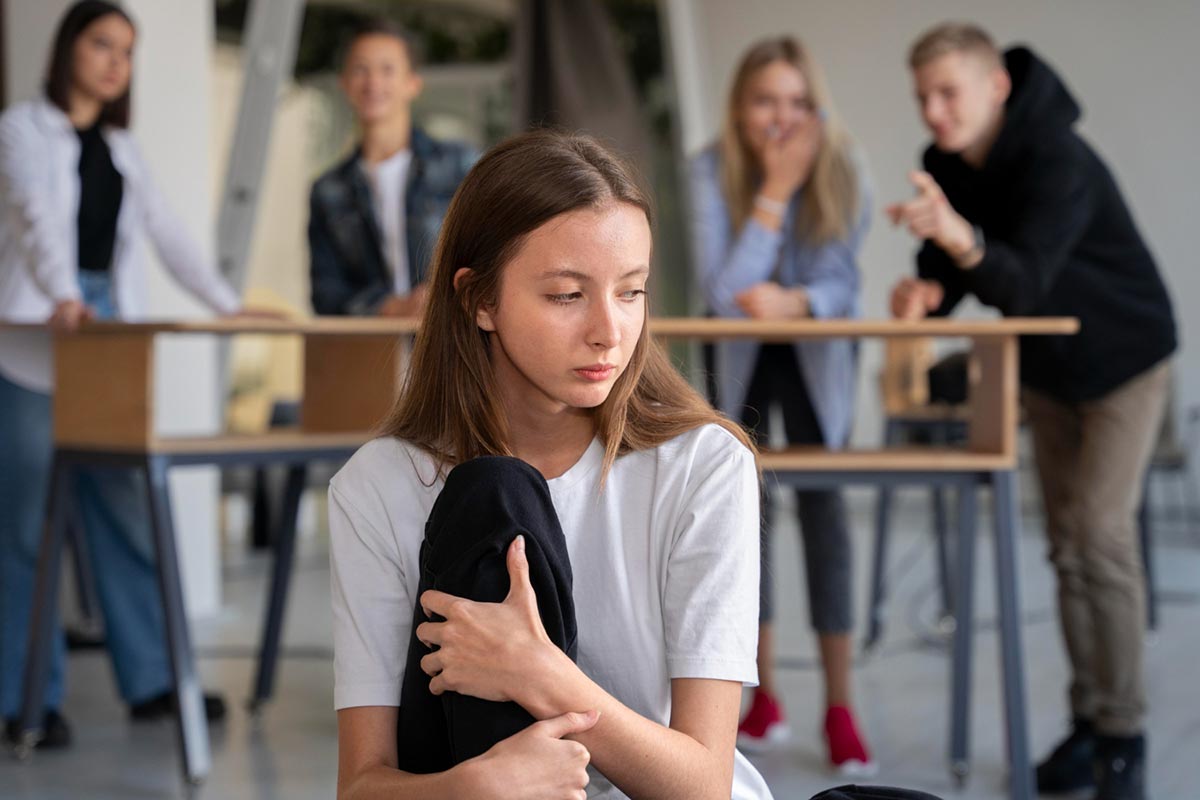
So-called silent bullying doesn’t always leave visible marks. There are no insults in front of adults, no obvious fights in the playground. Sometimes it happens through looks, exclusion, whispers, or in that uncomfortable emptiness of having no one to sit with. And that can be just as painful. From our experience as child and adolescent psychologists, we know that often the deepest suffering is precisely the one that makes the least noise.
Characteristics of silent bullying
When we talk about school bullying, we usually imagine clear situations: open teasing, pushing, threats. However, there is a more subtle form that easily goes unnoticed by both families and teachers.
Silent bullying is characterized by ongoing patterns of exclusion over time. It is not a one-time conflict between peers, but a repeated dynamic in which one child is systematically left out of the group. It may show up in never being chosen for group work, no one sitting next to them, not being included in plans outside of school, or in conversations and laughter that suddenly stop when they approach.
There may also be passive-aggressive comments, ambiguous jokes, or subtle micro-teasing that, when viewed in isolation, seem harmless. However, when repeated day after day, they gradually erode self-esteem. Sometimes there is group manipulation: subtle alliances to leave a classmate out, rumors circulating quietly, or power dynamics that are difficult to detect.
There are not always shouts. Sometimes there is silence. And that silence, sustained over time, can generate a deep sense of loneliness.
Why does it go unnoticed even by attentive adults?
Children don’t talk about it
Many children do not explain what they are going through. Sometimes they feel ashamed, afraid that the situation will get worse, or worried about being labeled as “snitches.” Others think they might be exaggerating or that, if they are being excluded, it must be because there is something “wrong” with them.
In therapy, we often hear phrases like: “They don’t do anything to me… but they don’t like me.” This ambiguity makes it very difficult for them to put their feelings into words. There is no specific episode to describe, but rather a constant sense of not belonging.
It is often confused with shyness
A child who begins to withdraw may seem simply more shy or introverted. However, shyness does not usually cause a persistent refusal to go to school or intense, ongoing distress.
The key difference is the level of suffering. When isolation is accompanied by sadness, anxiety, irritability, or a sudden change in behavior, it is important to look beyond the label of “just shy.”
Teachers don’t always see it
Silent bullying often takes place in spaces without direct supervision: hallways, lines, class transitions, the cafeteria, or in digital environments such as messaging groups.
Moreover, exclusion does not always violate an explicit rule. No one is required to play with anyone. And that is where the complexity lies: there is no clearly punishable action, yet there is a pattern that causes harm.
Emotional signs that often go unnoticed
Mood changes that seem “normal”
Irritability, frequent crying, or disproportionate reactions may be dismissed as “just part of growing up.” However, when these changes appear suddenly and persist over time, they are often indicators of internal distress.
In our clinical practice, many families come concerned about “tantrums” or “bad attitude,” and we discover that behind them there is a sustained experience of rejection.
The child who comes home from school “shut down”
Some children return home with no energy, unwilling to talk, avoiding sharing how their day went. They do not report anything serious, but they also do not share positive moments. It is as if school has become a place they would rather disconnect from as soon as possible.
This emotional “shutting down” is a frequent sign when the environment does not feel safe.
The contrast between home and school
Some children are spontaneous, talkative, and creative at home, but at school they appear withdrawn, insecure, or overly eager to please. This contrast often indicates that they do not feel fully accepted or at ease in the school setting.
Sudden self-demand for perfection
Sometimes distress is not expressed through withdrawal, but through an intense search for perfection. The child may become extremely self-demanding about grades or behavior, trying to gain recognition or avoid criticism. This internal pressure, sustained over time, can lead to anxiety.
Behavioral changes that raise concern but are not linked to bullying
Stomachaches or headaches before school
Physical complaints are very common in childhood. The body expresses what the child does not know how to explain in words. If physical discomfort appears mainly before going to school and improves on weekends or holidays, it is important to pay attention.
Insomnia or difficulty sleeping
They struggle to fall asleep, ask to sleep with someone, or wake up several times during the night. The nervous system remains on alert, anticipating the next day.
Changes in eating habits
Stress can reduce appetite or, conversely, lead to emotional eating. It is not always immediately connected to the school environment, but it is another sign that something may not be working well.
Increased anger or regressions without a clear reason
Returning to more childlike behaviors, showing greater dependence, or having seemingly disproportionate outbursts of anger are indirect ways of expressing distress. The child may not be able to say “I feel excluded,” but they can show it through their behavior.
Why don’t children talk about it?
Often, they do not identify what they are experiencing as bullying. They only know that they feel lonely, uncomfortable, or different.
In addition, thoughts may arise such as: “If I tell, I’ll be a snitch,” “I’m probably exaggerating,” or “They’ll tell me to ignore it.” If at some point they felt their distress was minimized, they are likely to choose silence.
Silence does not mean nothing is happening. Sometimes it means the pain is difficult to name.
How to help a child who is experiencing silent bullying
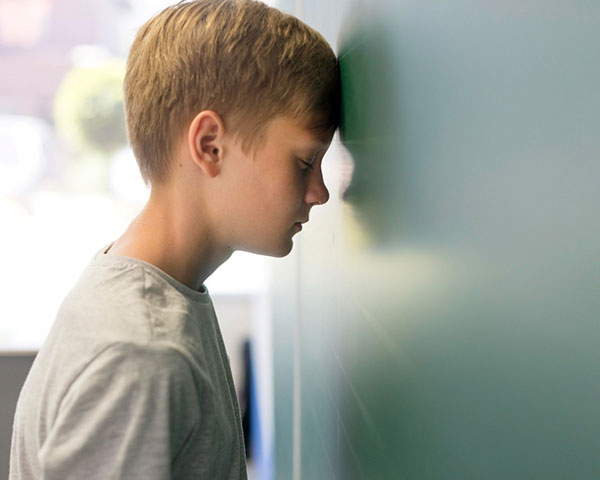
There are several things we can keep in mind at home to support them:
- Listen without interrogating. Persistent questioning can create resistance or emotional shutdown. Instead, open comments such as “I’ve noticed you’ve been quieter lately” or “If something at school is worrying you, we can talk about it whenever you feel ready” tend to open more doors.
- Validate their emotions. Even if what they share seems small from an adult perspective, for them it can feel overwhelming. Avoiding phrases that minimize the situation helps them feel understood.
- Strengthen their self-esteem outside the school context. Encouraging activities where they feel competent, valued, and capable broadens their identity beyond their classroom peer group.
Coordination with the school should be approached collaboratively. Sharing concerns, requesting observation, and developing joint strategies is usually more effective than taking an accusatory stance.
And above all, monitor how things evolve. Sometimes small adjustments in group dynamics improve the situation; in other cases, the distress persists and requires more specific support.
When to seek professional help
Seeking psychological support does not mean you have done something wrong as a parent. It means you want to better understand what is happening and provide your child with tools to cope.
It is advisable to consult a professional when the distress affects sleep, appetite, or self-esteem; when refusal to attend school becomes recurrent; when isolation intensifies; or when clear symptoms of anxiety or prolonged sadness appear.
As child psychologists, we offer a safe space where children can express themselves without fear of being judged. Through play, drawing, or age-appropriate conversation, we help them put words to experiences that until then felt confusing.
We also work on strengthening social skills, self-esteem, and coping strategies. And we support families so they know how to hold the situation emotionally without overprotecting or minimizing it. When necessary, we coordinate with the school to encourage changes in the environment.
Our goal is not for the child to “learn to put up with it,” but to regain a sense of safety, belonging, and well-being.
An important message for parents
If your child doesn’t want to go to school and you don’t know why, you are not overreacting by worrying. Sometimes the “I don’t want to” is just the tip of the iceberg.
Listening, observing, and taking action in time can make a big difference in their emotional development. And asking for help when you need it is not a sign of weakness, but a responsible and brave way to care.