

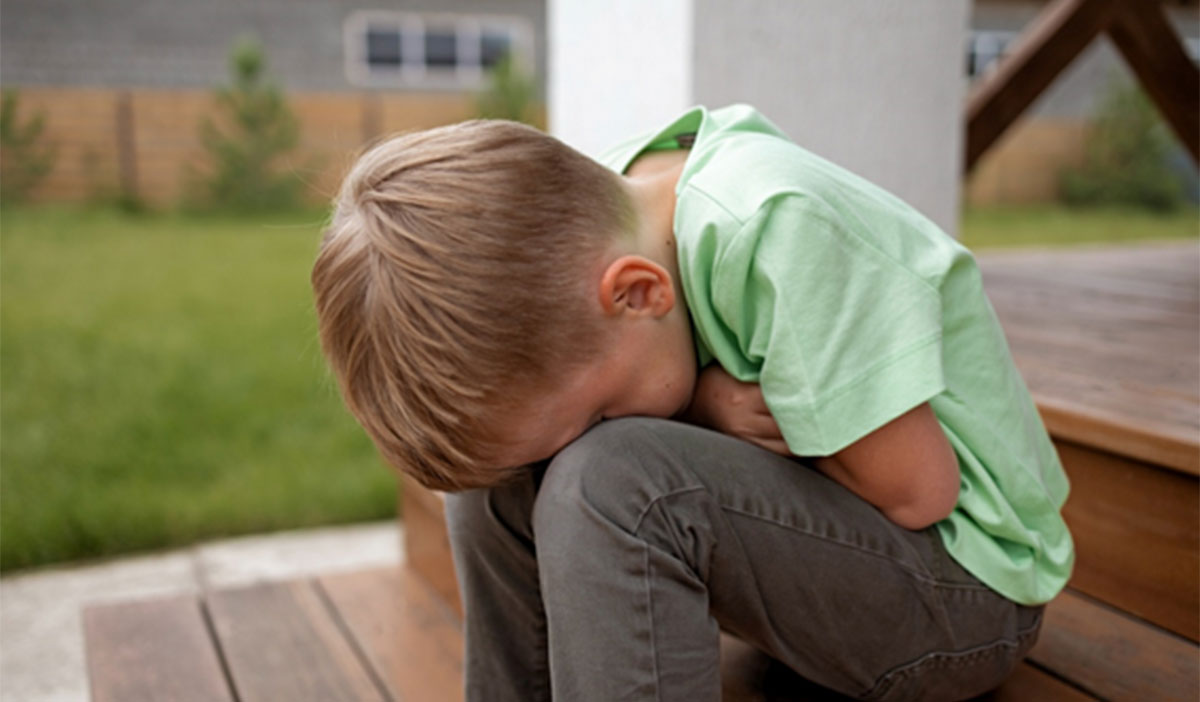
Sometimes we feel that our child is “misbehaving,” becoming more defiant or more sensitive than usual. But before putting a label on it, it’s worth looking deeper.
Children don’t have a manual to explain what they feel. Many times, their behavior is their way of asking for help.
What signs indicate that a child needs more emotional attention?
They don’t always say it with words, but they show it through gestures, attitudes, and changes in their daily routines.
Some common signs include:
- More tantrums than usual, even over small things.
- Sleep changes: trouble falling asleep, waking up more often, or being afraid of the dark.
- Loss of appetite or overeating.
- Constant need for attention, becoming more dependent.
- Irritability, talking back, or getting frustrated quickly.
- Regression in habits: going back to behaviors they had already outgrown.
- Isolation or lack of interest in playing.
These signs don’t speak of “bad behavior.” They speak of a child who is trying to say something.
Is my child trying to tell me something through their behavior?
Most of the time, yes. Children express themselves with what they have available: their bodies, their emotions, and their routines.
Behind challenging behavior, there may be:
- Tiredness or overstimulation.
- Need for clearer limits, because limits provide security.
- Fear of disappointing or failing.
- Difficulty understanding their own feelings.
- A recent change at home or school.
- Need for more connection with mom or dad.
When we observe this, our perspective shifts: we no longer see a “problem,” but a request for support.
Am I managing my child’s emotions well?
There are no perfect parents. There are parents who learn as they go, who ask questions, who seek to understand, who try their best.

Some signs that we’re on the right track include:
- Listening without judging, even when the child’s emotion is intense.
- Setting clear limits, but from a place of calm.
- Naming what they’re feeling: “It seems like you’re frustrated,” “I understand that this scares you.”
- Validating their emotions, even if the behavior needs correction.
- Modeling calmness: children learn more from what they see than from what they hear.
- Seeking professional help when something worries you.
If you’re already asking yourself this question, it’s because you’re involved, attentive, and present. That is already a big step.
How can I improve emotional communication with my child?
Emotional communication isn’t just about talking; it’s about connecting. It’s about creating a space where your child feels safe to express themselves without fear, and where you can support them without becoming overwhelmed.
Sometimes, small everyday gestures are enough:
- Spending a few minutes of full attention, without screens or distractions, just being with them.
- Using simple, age-appropriate language to help them understand what they feel.
- Asking open-ended questions: “What do you think made you angry?” “Where do you feel it in your body?”
- Creating emotional routines: a moment at the end of the day to share “the best and the worst part” of the day.
- Teaching calming tools, like breathing together, drawing, or using colors to identify emotions.
- Showing availability even when their emotion is intense: “I’m here with you, we’ll get through this together.”
But it’s normal for doubts to arise, even with all of this. Every child is different, and every family is too. That’s why having professional support can make a difference. At our center, we help you to:
- Understand what is behind your child’s behavior.
- Learn strategies to respond to their emotions without losing your calm.
- Strengthen the bond and communication, so they feel safe expressing themselves.
- Create a personalized plan tailored to their age, temperament, and your family dynamics.
- Feel supported, because parenting should not be faced alone.
If you feel your child is asking for something and you can’t figure out what it is, or if you simply want to improve emotional connection at home, we are a team of child health psychologists here to help you.
We invite you to take the next step: let’s talk and find the best way to support your child together. Would you like us to tell you more about how we work or to book an initial consultation?